
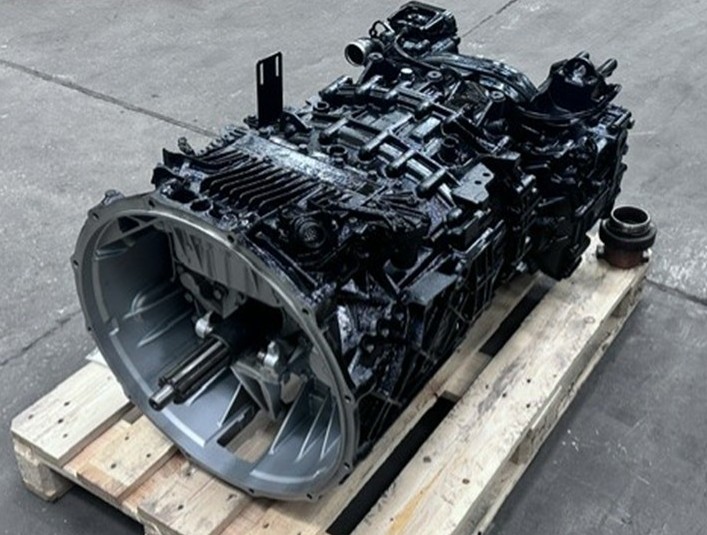
Gearbox faults rarely arrive without warning. Slipping, harsh gear changes, unfamiliar noises and transmission warning messages are often the first signs that an HGV, bus or coach needs attention, and spotting them early can reduce both downtime and the cost of putting things right.
Ecodrive Transmissions has more than 25 years of experience with commercial vehicle gearboxes and transmission systems, supporting HGV fleets, bus companies and other passenger transport operators across the UK.
This guide explains the common signs of a faulty commercial vehicle gearbox, what can cause them and what to do next to get your vehicle back on the road.
Why commercial vehicle gearboxes develop faults
A commercial vehicle gearbox works harder than most. It transfers engine power to the driven wheels through a range of ratios, often under heavy loads, with frequent gear changes, stop-start operation and long hours in service. Over time, that work can lead to wear, lubrication problems or faults in the controls that manage gear selection.
Modern commercial transmissions may also incorporate electronic controls, actuators and other components that influence gear selection and operation. For this reason, an apparent gearbox problem does not always mean that the internal mechanical components have failed.
Accurate diagnosis is an important first step.
What are the common signs of a faulty HGV or bus gearbox?
Commercial vehicle operators may notice several symptoms when a transmission begins to develop a fault.
Gearbox slipping
Gearbox slipping occurs when the transmission does not consistently deliver the expected drive for the selected gear or operating conditions. The exact symptoms depend on the type of transmission.
Slipping, unexpected changes in engine speed or a loss of drive can indicate a problem requiring investigation. The cause should be established before deciding whether a repair, overhaul or replacement is necessary.
For a closer look at the causes, see our guide to HGV and bus gearbox slipping.
Banging or harsh gear changes
A gearbox that bangs, clunks or changes gear unusually harshly may have a mechanical, hydraulic, electronic or control-related problem.
On some vehicles, the symptom may be associated with an actuator, control system or another driveline component rather than an internal gearbox failure. A specialist assessment can help narrow down the cause.
Where the actuator is the cause, Ecodrive supplies new and remanufactured ZF AS-Tronic shift actuators.
Difficulty selecting gears
Problems selecting gears, delayed engagement or an inability to engage the required gear can affect vehicle operation and safety.
Possible causes vary by transmission design and can include control, actuator, hydraulic or mechanical faults. These symptoms should not be ignored, particularly if the vehicle cannot reliably select or maintain drive.
Unusual gearbox noises
Whining, grinding, rattling or other unfamiliar noises may indicate wear, inadequate lubrication or damage within the transmission or another part of the driveline.
Noise alone cannot confirm which component has failed. Further investigation is needed to identify the source and determine the appropriate repair.
Transmission warning lights or fault messages
Electronic commercial vehicle transmissions can display warning messages when a fault is detected.
A warning may relate to the transmission itself or to a connected control system or component. Recording the displayed fault information and any accompanying symptoms can help the repair specialist investigate the problem.
Gearbox oil leaks
An oil leak may indicate a problem with a seal, joint or housing. Low or incorrect lubrication can cause further damage, so leaks should be investigated promptly.
The correct lubricant and level depend on the particular transmission. Operators should follow the vehicle manufacturer’s guidance rather than assume that all commercial gearboxes use the same specification.
Ecodrive is the official UK supplier of Pakelo lubricants and can advise on suitable oils for commercial transmissions.
What happens once a fault is found?
Once the cause is known, there are usually three routes back on the road. The right one depends on the transmission type, the nature of the fault and how much damage there is.
A repair may involve addressing an individual component or resolving a particular fault without a complete overhaul. More extensive internal damage may require the gearbox to be dismantled, inspected and rebuilt.
The main options include:
- Gearbox repair: Investigating and correcting a specific fault where a targeted repair is appropriate.
- Gearbox overhaul: Dismantling and inspecting the transmission, replacing worn or damaged components as required, and rebuilding the unit.
- Gearbox exchange: Replacing the existing transmission with a suitable exchange unit, subject to compatibility and availability.
A specialist can help determine which option is most suitable after assessing the gearbox and the vehicle’s requirements.
Gearbox faults in HGVs: what fleet operators should consider
HGV gearboxes operate under substantial loads and can accumulate high mileages. A transmission fault can affect a vehicle’s ability to carry out scheduled deliveries, transport goods or remain available for work.
For fleet operators, the decision about how to resolve a gearbox problem must take account of the technical fault, repair costs and expected downtime.
If a truck in your fleet is showing any of the signs above, our HGV gearbox repairs service covers repairs, overhauls and exchange transmissions for all major manufacturers, including ZF commercial transmissions.
Gearbox faults in buses and coaches
Bus and coach transmissions must cope with demanding operating patterns, including frequent stops, repeated acceleration and changes in load. A gearbox problem can affect service availability and disrupt passenger transport.
PSV and PCV are terms used for passenger-carrying vehicles in different contexts. For operators of buses, coaches and other passenger vehicles, the appropriate repair depends on the specific transmission fitted and the fault identified.
For passenger fleets, Ecodrive’s bus gearbox repairs service covers PSV, bus and coach transmissions, with repair, overhaul and exchange options.
Why specialist transmission experience matters
Commercial vehicle transmissions vary significantly between manufacturers and models. Automatic, automated manual and other transmission designs can have different mechanical components, electronic controls and diagnostic requirements.
A specialist assessment helps distinguish between a fault within the gearbox and a problem elsewhere in the control system or driveline. It also helps establish whether the existing unit can be repaired economically or whether an exchange gearbox would be more appropriate.
Ecodrive is a ZF Services Partner offering ZF gearbox repairs, and uses ZF Testman equipment to test transmission units to industry standards before they leave its facility.
This specialist focus supports Ecodrive’s work in commercial vehicle transmission repair, overhaul and supply.
What to do when you spot a gearbox fault
Although not every failure can be predicted, a few practical steps can help an operator prepare for a repair.
- Record the symptoms. Note when the fault occurs, which gears are affected and whether the problem is intermittent or persistent.
- Record warning messages. If a fault code or transmission warning appears, record the information where safe and practical.
- Avoid unnecessary operation. If the vehicle has lost drive, is making severe mechanical noises, or cannot select gears reliably, stop safely and follow the appropriate recovery and safety procedures.
- Provide vehicle details. The make, model, registration or vehicle identification number, and transmission identification details can help establish compatibility.
- Discuss the available options. Ask whether repair, overhaul or an exchange transmission is likely to be the most suitable route.
Vehicle operators should not continue using a vehicle when doing so may be unsafe or cause further damage.
Frequently asked questions about gearbox faults
How much will it cost to fix a faulty HGV gearbox?
The cost depends on the transmission type, the cause of the fault, the parts required and the amount of labour involved. An initial assessment is needed before a reliable quotation can be provided.
If a replacement unit is on the table, our guide to reconditioned gearbox prices explains what affects the cost.
Is it better to repair or replace a commercial gearbox?
A repair may be appropriate for a specific fault, while extensive internal damage may justify an overhaul or exchange unit. The decision should consider the condition of the existing transmission, repair cost, availability and vehicle downtime.
Can a bus gearbox be overhauled?
Yes, where the transmission is suitable for overhaul and the necessary parts and technical support are available. The gearbox needs to be assessed to establish the scope of work.
What should I do if my HGV gearbox starts slipping?
Avoid continuing to operate the vehicle if it is unsafe or at risk of further damage. Arrange an appropriate assessment and provide the repair specialist with details of the symptoms and any warning messages.
Does Ecodrive repair ZF commercial vehicle transmissions?
Ecodrive is a ZF Services Partner and provides commercial transmission repair, overhaul and supply services. Contact the team with your gearbox details to discuss the support available for your particular unit.
Talk to Ecodrive about a gearbox fault
If your HGV, bus or coach is showing signs of a gearbox fault, our team can help you find the cause and the right fix, whether that’s a targeted repair, an overhaul or an exchange unit.
With more than 25 years of commercial transmission experience, Ecodrive supports operators looking for practical solutions to gearbox problems.
Find out more about our commercial gearbox repairs, or contact Ecodrive Transmissions with your vehicle and gearbox details.